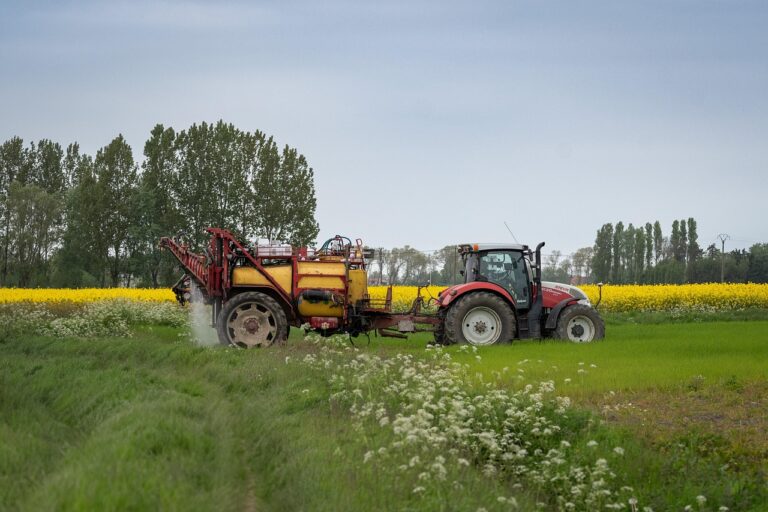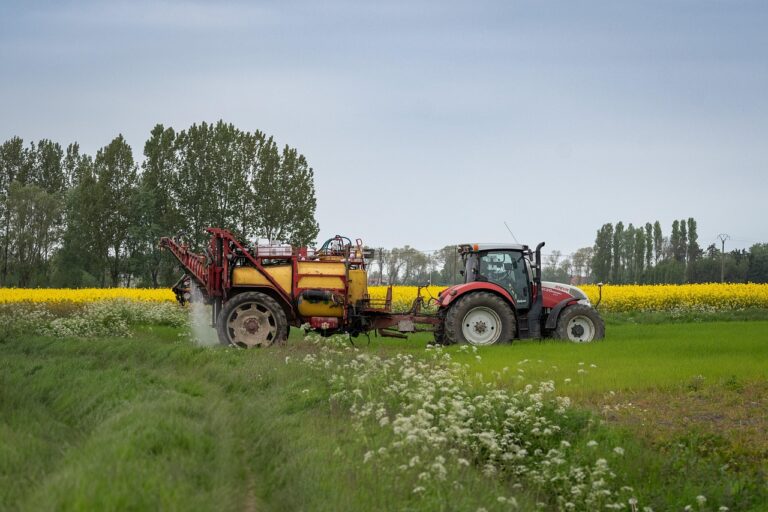

Plantation agriculture can look efficient from a distance: neat rows of a single crop, large estates, and steady exports. Up close, it is a complex production system that has shaped land use, labor relations, rural economies, and ecosystems across the tropics and subtropics for centuries.
This article explains what plantation agriculture is, why it developed, how it works today, and what its main benefits and costs are, using concrete examples and clear contrasts with smallholder farming.
What Plantation Agriculture Is and Why It Emerged
Plantation agriculture is a commercial farming system organized around large-scale estates that specialize in one or a few export-oriented cash crops. Classic plantation crops include sugarcane, cotton, tea, coffee, rubber, bananas, cocoa, and oil palm. The defining features are scale, specialization, and integration into global trade: production decisions are often driven by international prices, contracts, and processing requirements rather than local food needs.
Historically, plantations expanded where climate and soils favored high-value tropical crops and where colonial trade networks created reliable shipping routes and markets. In the Caribbean and Brazil, sugar plantations grew rapidly from the 1600s onward because sugar was lucrative, storable, and in high demand in Europe. Similarly, tea estates in India and Sri Lanka and rubber plantations in Southeast Asia expanded in the 1800s and early 1900s as industrial demand surged for beverages, tires, and manufacturing inputs.
Compared with diversified family farms, plantations concentrate capital and land. A single estate can cover thousands of hectares, use centralized management, and rely on wage labor or contracted labor. This structure makes plantations capable of producing large, uniform volumes of a crop to meet mill capacity and export specifications, but it can also intensify power imbalances over land and employment.
How Plantations Operate Today: Scale, Supply Chains, and Labor
Modern plantation agriculture is often tightly linked to processing plants. Sugarcane typically must be milled within about a day of harvest to prevent sugar losses, so mills, rail spurs, and truck networks are built around cane zones. Oil palm fruit bunches also need rapid processing, often within 24–48 hours, to limit free fatty acid buildup and preserve oil quality. These time constraints push plantations toward large contiguous areas and centralized logistics, reinforcing the estate model.
Plantations can be owned by multinational agribusinesses, domestic corporations, state enterprises, or large private landholders. Many also use “nucleus estate and outgrower” arrangements: the company runs a core plantation and buys from surrounding smallholders under quality standards and pricing formulas. This can spread income opportunities, but it also can lock farmers into a single buyer and expose them to deductions for inputs, transport, and grading.
Labor and working conditions
Labor is one of the most debated aspects. Plantation work ranges from skilled roles in agronomy, machinery operation, and mill maintenance to seasonal or task-based harvesting. Wages and conditions vary widely by country and commodity. In some places, mechanization has reduced the most physically punishing jobs, such as sugarcane cutting, but has also reduced employment and shifted demand toward fewer, more skilled workers. In other places, especially where terrain is steep or capital is limited, labor-intensive harvesting remains common, and risks include heat stress, pesticide exposure, and job insecurity tied to global price swings.
Benefits, Risks, and the Debate on Sustainability
Plantation agriculture can deliver clear economic benefits. Large, specialized farms can achieve lower unit costs through economies of scale, standardized inputs, and coordinated harvesting and processing. Export earnings from crops such as coffee, cocoa, tea, and palm oil can finance infrastructure, generate tax revenue, and support service industries. In regions with limited off-farm employment, plantation jobs, even if seasonal, may provide cash income that complements subsistence farming.
At the same time, plantations can create concentrated risks. Monocropping increases vulnerability to pests and diseases, as seen in historical banana production where diseases forced shifts in varieties and production zones. Reliance on a single export commodity exposes local economies to price cycles: a sharp fall in global coffee prices can squeeze wages, reduce maintenance of trees, and push growers to clear more land to maintain income, amplifying environmental pressure.
Environmental impacts often sit at the center of public controversy. Converting forests or peatlands to plantations can release large amounts of carbon and reduce biodiversity. Even where land conversion is not involved, intensive fertilizer use can increase runoff, and pesticide use can affect water quality and worker health. However, outcomes are not uniform. Some estates invest in integrated pest management, buffer strips along rivers, and better wastewater treatment at mills. Certification schemes in commodities like tea, cocoa, and palm oil have pushed parts of the sector toward traceability and reduced deforestation commitments, though enforcement and coverage vary and critics argue that standards can be unevenly applied.
Conclusion
Plantation agriculture is a high-output, export-focused system that can generate income and reliable supply chains, but it also concentrates land, power, and ecological pressures; its long-term viability depends on better labor protections, smarter landscape planning, and production practices that reduce deforestation, pollution, and commodity-driven vulnerability.