
Food on a supermarket shelf can look simple, but behind it sits a vast system of inputs, logistics, and market decisions that determines what gets grown, where, and for whom.
This article explains what commercial agriculture is, how it works in practice, and why it matters—economically, environmentally, and socially—using concrete contrasts and real-world examples.
What Commercial Agriculture Is and Why It Exists
Commercial agriculture is farming primarily organized to produce crops or livestock for sale, not just for household use. The defining feature is market orientation: production targets prices, contracts, and demand signals, often with standardized grades and delivery windows. This can range from large mechanized grain farms to intensive greenhouse horticulture or vertically integrated poultry operations.
It exists because specialization can raise output and reliability. When farms focus on a narrower set of products, they can invest in tailored equipment, improved genetics, irrigation, storage, and trained labor. Over time, this tends to increase yield per worker and reduce unit costs, which helps supply cities and export markets with consistent volumes.
Commercial systems also grow around infrastructure. Access to roads, ports, cold storage, and processors makes it possible to sell perishable goods far from where they are grown. In many regions, a single processing plant or grain elevator shapes local land use by creating a dependable buyer, influencing which crops are profitable and when they are harvested.
How the System Works: Inputs, Scale, and Supply Chains
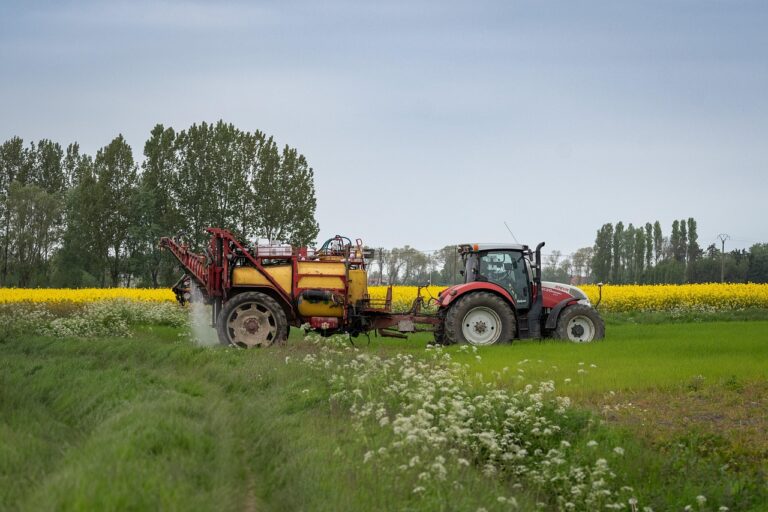
A commercial farm is rarely just “a field and a tractor.” It is a managed production process that depends on inputs such as improved seed, fertilizer, feed, veterinary care, pesticides, fuel, machinery, and increasingly data services. In crop farming, timing and precision matter: a few days’ delay in planting or harvest can reduce yields, while small errors in nutrient or water management can increase costs or create pollution.
Scale is a tool, not a guarantee. Larger operations can spread fixed costs—equipment, storage, compliance, insurance—over more acres or more animals, often lowering per-unit expenses. But scale also introduces risk: large farms can be more exposed to price swings because they sell large volumes into a volatile market, and they may face greater scrutiny on labor standards, water use, and environmental impacts.
Supply chains tie production to consumers through a sequence of handling steps that often add more value than farming alone. A typical grain chain can include storage, drying, grading, transportation, milling, and manufacturing into products like bread or pasta. Perishable chains can be even more complex: milk may be cooled on-farm within hours, hauled daily, tested for quality, processed into fluid milk, cheese, or powder, and distributed under strict cold-chain requirements.
Benefits and Trade-Offs: Productivity, Livelihoods, and the Environment
The strongest case for commercial agriculture is productivity. Modern systems can produce large quantities of food with relatively little labor by combining mechanization with improved varieties and well-managed inputs. This productivity can lower food prices relative to income, stabilize supplies for cities, and generate export earnings that support broader economic development.
Commercialization can also create jobs beyond the farm gate. Processing, packaging, transport, equipment maintenance, finance, and agronomy services can employ many more people than field work alone. In some regions, contract farming links small and mid-sized growers to processors or exporters, providing guaranteed markets and technical support—though contract terms can also shift risk onto farmers if prices fall or quality standards are hard to meet.
The trade-offs are substantial. Intensive input use can degrade soil structure, reduce biodiversity, and contribute to water pollution through nutrient runoff. Agriculture is also a significant source of greenhouse gases, particularly from livestock and fertilizer use, and it can drive deforestation when expansion targets new land. At the same time, commercial farms can be leaders in mitigation when incentives align: precision fertilizer placement, cover crops, reduced tillage, efficient irrigation, manure management, and improved feed can cut emissions and protect water while maintaining output.
Conclusion
Commercial agriculture is market-focused farming built on specialization, inputs, and supply chains; it can deliver high volumes and stable food supplies, but its long-term success depends on balancing productivity with fair livelihoods and measurable environmental stewardship.
FAQ
Q: Is commercial agriculture the same as “industrial farming”?
No. Commercial agriculture simply means producing mainly for sale; it can be large or small, and it can be intensive or relatively low-input. “Industrial” usually implies highly standardized, capital-intensive systems, often with concentrated production and strong integration with processors.
Q: Can small farms participate in commercial agriculture?
Yes. Smallholders can sell into markets directly (local produce, dairy, eggs) or through intermediaries and contracts (coffee, cocoa, vegetables for processors). Their success often depends on reliable market access, quality standards, storage, and bargaining power.
Q: What practices make commercial farming more sustainable?
Common options include crop rotation, cover crops, reduced tillage, precision nutrient management, integrated pest management, efficient irrigation, improved manure handling, and habitat buffers near waterways. The best package varies by crop, climate, and local regulations.