
Feeding a growing population, protecting soil and water, and building resilient supply chains all hinge on one sector: agriculture. Yet many people still picture only field labor, missing the breadth of modern roles that mix biology, engineering, data, business, and public policy.
This article maps the main pathways and practical realities of careers in agriculture, showing what the work looks like today, where demand is shifting, and how to choose a direction that matches your skills and values.
How agriculture careers have diversified
Agriculture is now a technology-and-systems industry as much as a production industry. A single farm or food company may rely on agronomists to plan crop nutrition, mechanics and engineers to maintain equipment, data analysts to interpret yield maps, and logisticians to move perishable goods quickly. This diversification means entry points exist for people who like hands-on work, lab work, coding, sales, or regulation.
One useful contrast is between “upstream” roles (inputs and production) and “downstream” roles (processing, distribution, retail, and waste reduction). Upstream careers include crop scouting, irrigation design, animal health, and machinery operations. Downstream careers include food safety, quality assurance, cold-chain management, and product development. Understanding where you want to sit in that chain helps narrow options fast.
Many jobs also shift with geography. Rural areas may offer more production and equipment roles, while urban and peri-urban areas may concentrate food manufacturing, controlled-environment agriculture, and regulatory offices. In both settings, climate volatility and higher input costs are driving employers to hire people who can measure performance, reduce losses, and document compliance.
High-impact roles: from field to lab to market
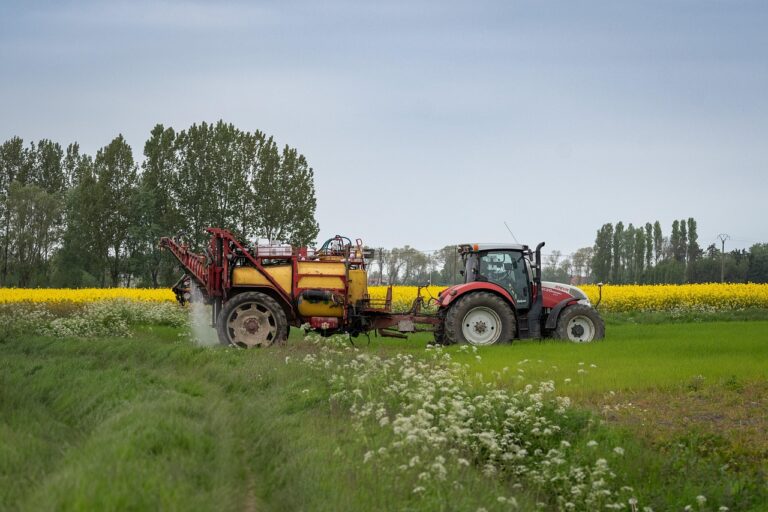
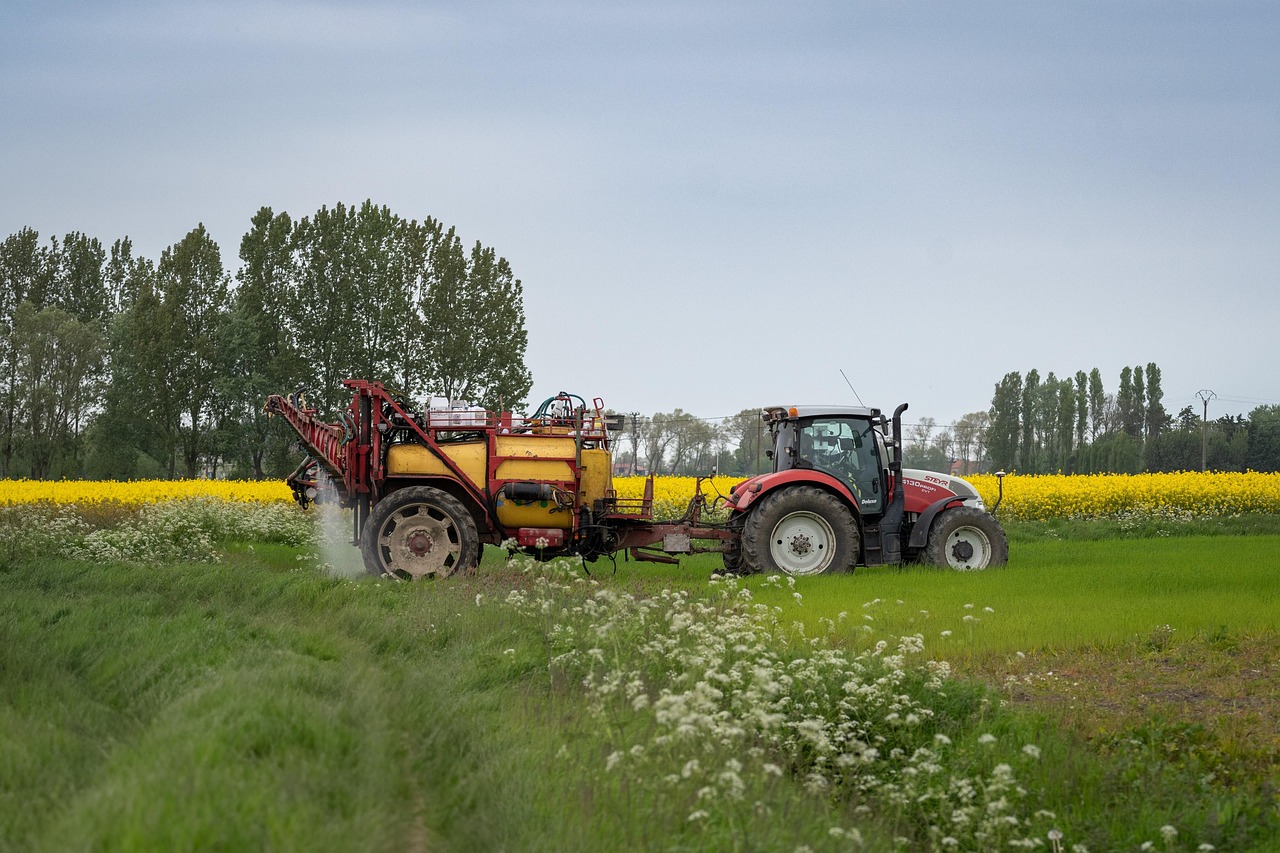
Production-focused roles remain foundational, but the highest growth often comes from specialized skills layered onto production. Examples include precision agriculture technicians who manage GPS guidance, variable-rate application files, and sensor networks; irrigation specialists who design systems that reduce water use; and livestock technicians who support health monitoring, biosecurity, and nutrition protocols. These jobs are practical and measurable: yield per acre, feed conversion, water efficiency, and disease incidence are tracked and improved.
In research and laboratory environments, careers include plant breeding support, soil science, seed testing, and integrated pest management. The day-to-day work can involve sampling, microscopy, trial plots, greenhouse work, and statistical analysis. Employers value people who can translate results into decisions, such as adjusting fertilizer plans based on soil tests or choosing resistant varieties when disease pressure rises.
Business-facing careers are equally central. Agribusiness sales, commodity merchandising, procurement, and supply-chain roles connect growers to input suppliers and buyers. Someone in grain merchandising, for instance, may track local basis levels, storage capacity, and quality grades, while a produce buyer may focus on shelf life, refrigeration, and supplier audits. These roles suit people who like negotiation, analytics, and fast operational decisions, and they often reward clear communication as much as technical knowledge.
Skills, education, and how to choose a pathway
Education routes vary widely, and many careers in agriculture do not require a four-year degree to start. Certificate programs and apprenticeships can lead to equipment operation, horticulture, irrigation installation, and food processing roles. Two-year programs often feed into technician careers: precision ag support, lab tech work, dairy and livestock management, or quality control in processing plants. Four-year degrees are more common for agronomy, animal science, agricultural engineering, food science, and environmental management, and graduate study becomes valuable if you want to lead research or specialize deeply.
Across nearly all pathways, the most portable skills cluster into a few buckets. First are measurement and documentation: sampling correctly, keeping clean records, and understanding standards. Second are “systems skills,” like mapping a process from inputs to outputs and spotting waste or risk points. Third are digital basics: spreadsheets, dashboards, farm management software, and simple data interpretation. Even hands-on roles increasingly rely on digital logs, equipment diagnostics, and compliance reporting.
To choose direction, start with the environment you prefer and the trade-offs you accept. Field roles can involve early mornings, weather exposure, and seasonal peaks, but they offer tangible results and rapid learning. Processing and quality roles tend to be more stable and schedule-driven, but they can be strict about hygiene protocols and repetitive checks. Sales and consulting can be travel-heavy and performance-metric driven, but they provide variety and strong career mobility. Matching your tolerance for seasonality, physical demands, and travel to your interests is often more decisive than picking a specific crop or commodity.
Conclusion
Careers in agriculture span production, science, engineering, business, and public service, with growing demand for people who can measure outcomes, manage risk, and apply technology responsibly across the food system.